

Quick Summary
Porcelain veneers typically last between ten and fifteen years with proper care, and many last twenty or more, though the exact lifespan depends on habits like grinding, diet, and oral hygiene practiced at home. Regular dental visits help catch early signs of wear before a veneer chips, discolors, or loosens from the tooth. Most veneers eventually need replacement, not because the porcelain fails, but because the bonding or surrounding tooth structure changes over time.
Porcelain veneers are one of the most reliable ways to transform a smile, but patients considering the investment often ask the same question: how long do porcelain veneers last? The honest answer depends on several factors, from the materials used to the habits a patient keeps up afterward, and even the dentist who placed them in the first place.
Understanding what drives veneer lifespan helps set realistic expectations before treatment begins and makes it easier to protect that investment for years to come. At Mountain Shadows Family Dental, we place dental veneers in Buckeye, AZ, crafted and fitted to help your smile stay bright and durable for years to come.
Average Lifespan of Porcelain Veneers
With proper placement and care, porcelain veneers typically last between ten and fifteen years, and many patients get twenty years or more out of a well-maintained set. Porcelain is a durable material that resists staining better than composite alternatives, which is part of why it remains a popular choice for long-term cosmetic work.
The bonding agent that attaches each veneer to the tooth also plays a role in longevity, and advances in dental adhesives over the past decade have made that bond more reliable than it used to be. Individual results vary, but a well-placed veneer under normal use holds up for a long stretch of everyday wear and tear.
What Affects How Long Veneers Last
Several factors influence how long a set of veneers will hold up. Grinding or clenching the teeth at night puts extra pressure on the thin porcelain shells, increasing the chance of chips or cracks over time. Diet plays a role too, since biting into very hard foods like ice or hard candy can damage veneers the same way it would a natural tooth.
Oral hygiene factors in as well, since gum disease can affect the tooth structure supporting the veneer. Even the skill and experience of the dentist placing the veneers factors into how well they perform over the years that follow treatment.
Signs Your Veneers May Need Attention
A veneer that’s beginning to fail doesn’t always announce itself loudly. Small chips along the edge, a change in color compared to surrounding teeth, or a feeling of looseness when biting down are all signs worth mentioning at a dental visit.
Gum recession around a veneer can also expose a dark line at the base of the tooth, which affects appearance even if the veneer itself is still intact. Catching these signs early usually means a simpler fix, while waiting can sometimes mean a full replacement is needed sooner than expected, along with a longer appointment to correct it.
How to Extend the Life of Your Veneers
Caring for veneers looks similar to caring for natural teeth, with a few extra considerations. A nightguard protects against grinding, which is one of the most common causes of early veneer damage. Avoiding hard foods and using teeth only for chewing, not opening packages or bottles, prevents unnecessary stress on the porcelain.
Routine dental visits allow a dentist to check the bond and surrounding gum tissue before small problems grow. Good brushing and flossing habits also protect the natural tooth structure underneath, which plays just as important a role in long-term success as the veneer itself.
What Happens When Veneers Need Replacement
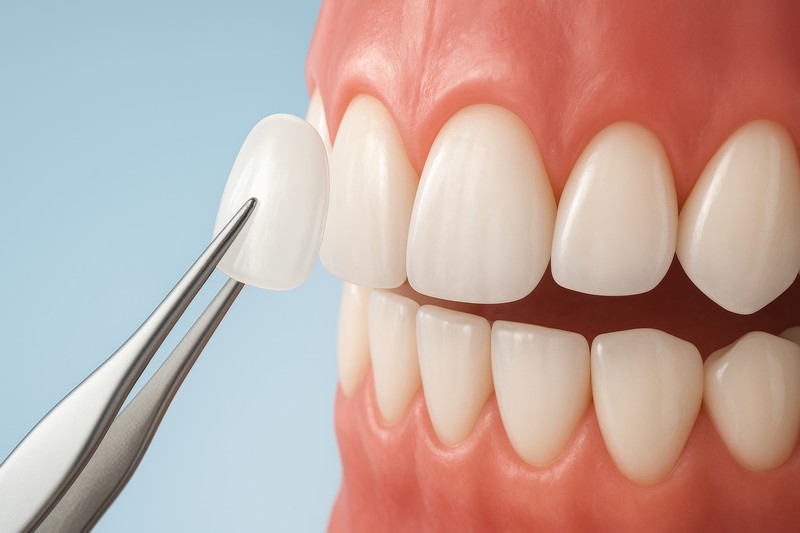
When a veneer finally reaches the end of its life, replacement is usually a straightforward process. The old veneer is removed, the tooth is reprepared if needed, and a new shell is bonded into place using the same careful process as the original treatment.
Many patients replace veneers one at a time as issues come up rather than all at once, unless several were placed in the same timeframe and show similar wear. Technology has also improved since many veneers were first placed years ago, so a replacement set often looks even more natural than the original did at the time.
Veneers vs. Other Cosmetic Options for Longevity
Compared to other cosmetic dentistry treatments, porcelain veneers tend to outlast options like bonding, which typically needs touch-ups or replacement every five to seven years. Teeth whitening results fade faster still, often within one to two years depending on diet and habits.
This durability is part of why many patients choose veneers for a long-term cosmetic solution despite the higher upfront cost involved. Weighing the lifespan of each option against its price and the extent of the smile transformation desired helps patients choose the treatment that fits their goals and budget best.
Cost Considerations for Long-Term Value
Veneers carry a higher upfront cost than options like bonding or whitening, but their extended lifespan often makes them a better value over time once the full cost is spread across fifteen or twenty years of use. Patients comparing cosmetic options sometimes focus only on the initial price tag without accounting for how often a cheaper alternative might need replacing along the way.
A single set of veneers placed in a patient’s thirties, for example, might only need replacement once or twice over several decades of regular wear. Financing options like CareCredit can also make the upfront investment easier to manage, spreading the cost into smaller monthly payments rather than one large expense all at once.
Protect Your Smile with Mountain Shadows Family Dental
At Mountain Shadows Family Dental, we design and place porcelain veneers with long-term durability in mind, using careful preparation and bonding techniques to help each set last as long as possible. Dr. Garrett and our team check the fit, bite, and bonding at every follow-up visit, catching small concerns before they turn into bigger repairs.
We also talk through daily habits, like wearing a nightguard, that can add years to a veneer’s lifespan and protect the rest of your smile too. If you’re considering veneers or need an existing set checked, our Litchfield Park office is ready to help you protect your investment. Call us at (623) 691-6300 to schedule a consultation with our team today.
Frequently Asked Questions
Can a chipped veneer be repaired instead of replaced?
Small chips can sometimes be smoothed or patched with composite resin, depending on the size and location of the damage. Larger chips or cracks usually call for a full replacement to keep the smile looking consistent, even, and natural overall.
Do veneers stain over time?
Porcelain resists staining far better than natural teeth or composite bonding, so veneers typically keep their color well for many years. The cement line at the edge of the veneer can pick up minor staining over time.
Is it normal for veneers to feel different after several years?
A slight change in feel can happen as the bonding ages or if gum tissue shifts slightly over time. Any noticeable looseness or discomfort should be checked by a dentist rather than left untreated, since small issues are easier to fix early.