


Quick Summary
General dentistry focuses on preventing and treating problems that affect oral health, such as cavities, gum disease, and infections, using exams, cleanings, and restorative treatment. Cosmetic dentistry focuses on the appearance of a smile through treatments like whitening, veneers, and bonding, with results aimed at color, shape, and alignment. Many dental visits combine elements of both, since a healthy foundation often comes before cosmetic changes are made, and the two types of care frequently work side by side.
Dental care covers a wide range of treatments, and patients often wonder where routine checkups end and smile-focused treatments begin. The comparison of cosmetic dentistry vs general dentistry comes down to goals: one protects oral health, the other enhances appearance.
Knowing the difference helps patients choose the right type of visit for their needs, from treating a cavity to exploring options like veneers. Here’s a closer look at what each type of dentistry covers and how the two work together in practice.
What Is General Dentistry?
General dentistry covers the day-to-day care that keeps teeth and gums healthy. This includes routine exams, professional cleanings, X-rays, fillings, root canals, and treatment for gum disease. A general dentist also looks for early signs of decay, infection, or oral cancer during checkups, catching small problems before they turn into bigger ones.
Most patients see a general dentist twice a year for preventive care, with additional visits scheduled whenever pain, sensitivity, or another concern comes up between appointments. This steady, ongoing care forms the foundation that every other type of dental treatment builds on, since a stable, healthy mouth makes any later cosmetic work more predictable and longer lasting.
What Is Cosmetic Dentistry?
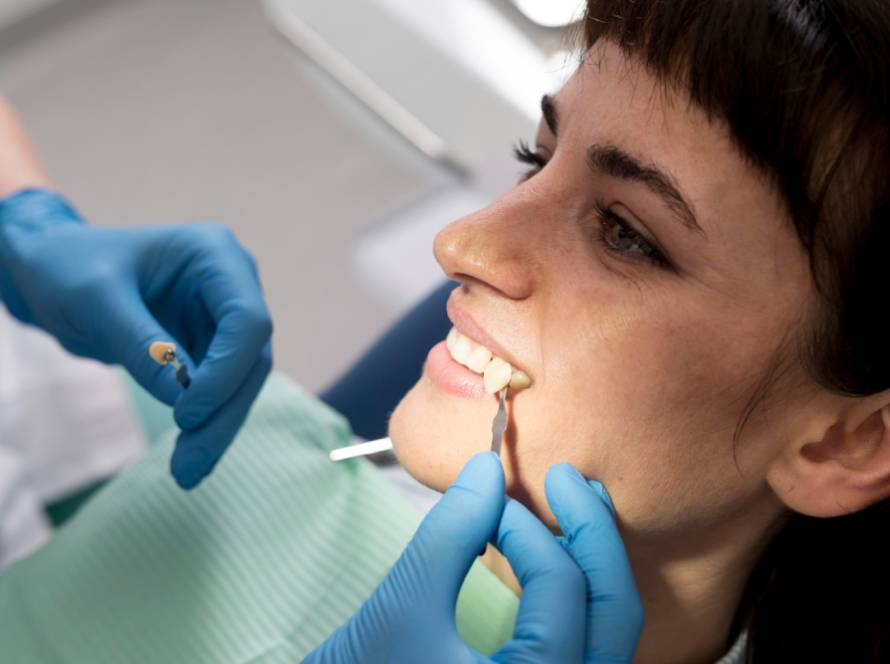
Cosmetic dentistry focuses on improving how a smile looks rather than treating disease or infection. Common treatments include teeth whitening, porcelain veneers, bonding, and clear aligners, each designed to address color, shape, spacing, or alignment. While cosmetic work isn’t always medically necessary, it can still play a role in a patient’s confidence and willingness to smile in photos or social settings.
Some cosmetic treatments, like bonding or crowns, also restore function alongside appearance, blurring the line between purely cosmetic and restorative care. Patients often describe cosmetic treatment as the finishing touch after years of routine maintenance, arriving once the groundwork of healthy teeth and gums is already in place.
Where the Two Overlap
Many treatments fall somewhere between cosmetic and general dentistry. A crown placed after a root canal restores a damaged tooth’s function, but it’s also shaped and shaded to blend in with the surrounding smile. Dental bonding can repair a chipped tooth while also smoothing out its appearance. This overlap means patients don’t always have to choose one type of care over the other.
A single treatment plan can address a health concern and improve appearance at the same time, depending on the situation and the tooth involved, often in a single appointment rather than two separate visits spread weeks apart.
When to See a General Dentist
A general dentist should be the first stop for pain, sensitivity, bleeding gums, or a cracked tooth, since these issues point to underlying health concerns that need attention before anything else. Routine cleanings and exams also fall under general dentistry, even for patients with no current complaints.
Skipping these visits allows small issues like early decay or gum inflammation to progress into more involved problems down the road, often requiring more extensive treatment than a routine filling or cleaning would have called for in the first place.
When to Consider Cosmetic Treatment
Cosmetic treatment makes sense once any underlying health issues are addressed and a patient is looking to improve the appearance of an otherwise healthy smile. This might mean whitening stained teeth, closing a gap with bonding, or covering chips and discoloration with veneers.
Because cosmetic work is elective, there’s no rush, and patients can take time to discuss goals, budget, and timeline with a dentist before committing to a treatment plan. A consultation often includes photos and a preview of what the expected results might look like.
Why Many Patients Benefit from Both
Most patients end up receiving a mix of general and cosmetic care over the years rather than sticking strictly to one category. A checkup might catch a cavity that needs filling, while a separate conversation addresses whitening or veneers for a few stained or chipped teeth.
Thinking of dental care as a spectrum, rather than two separate categories, makes it easier to plan treatment that keeps a smile both healthy and attractive over time, instead of focusing on just one side of the equation. Over the course of several years, this blended approach tends to produce the most natural and long-lasting results.
Cost Differences Between the Two
General dentistry costs are often partially or fully covered by dental insurance, since these treatments are tied to health and function rather than appearance alone. A filling, cleaning, or root canal typically comes with predictable out-of-pocket costs once insurance has been applied. Cosmetic treatments work differently, since insurance plans don’t typically extend coverage to procedures chosen purely for appearance.
Veneers, whitening, and similar treatments are usually paid out of pocket or through financing options like CareCredit. Understanding this distinction ahead of time helps patients budget appropriately and avoid surprises when a treatment plan includes both categories of care. Payment plans can also make cosmetic treatments easier to manage by spreading the cost over several months rather than paying the full amount upfront.
A Full Range of Care at Mountain Shadows Family Dental
At Mountain Shadows Family Dental, we handle both general and cosmetic dentistry under one roof, so patients don’t have to coordinate between multiple offices for different types of care. Dr. Garrett and our team start with a thorough exam to address any health concerns first, then talk through cosmetic options if a patient wants to take their smile further.
We accept most major dental insurance plans and accept CareCredit financing for treatments not fully covered by a policy. If you need a routine cleaning or you’re finally ready to explore veneers or whitening, our Litchfield Park office is ready and glad to help. Call us at (623) 691-6300 to schedule your visit today.
Frequently Asked Questions
Can a general dentist also perform cosmetic treatments?
Yes. At our office, we perform treatments like whitening, bonding, and veneers alongside routine care, so you can get both types of treatment from one team without a separate referral to a specialist across town.
Is cosmetic dentistry covered by dental insurance?
Most insurance plans cover procedures tied to oral health but exclude purely cosmetic treatments. Some overlap procedures, like crowns, may receive partial coverage depending on the reason for treatment and the plan’s specific terms.
Should health issues be treated before starting cosmetic work?
Addressing cavities, gum disease, or infection first gives cosmetic treatments a healthy foundation to build on and helps the final results last longer once treatment is finished and the smile has fully settled.