

Quick Summary
Composite and porcelain veneers are both popular cosmetic treatments for improving the appearance of stained, chipped, uneven, or worn teeth. While each option creates a more attractive smile, they differ in durability, appearance, maintenance, treatment time, and longevity. Understanding these differences helps patients choose the option that aligns with their cosmetic goals.
Choosing between composite vs porcelain veneers can feel overwhelming because both treatments are designed to improve smile appearance while addressing similar cosmetic concerns. Although they share the same purpose, each option differs in material, longevity, maintenance, and overall treatment process, making it important to understand what sets them apart before making a decision.
Every smile has unique goals and every patient has different priorities when considering cosmetic dentistry. Learning how each type of veneer performs over time can make treatment decisions much easier, and we are always happy to explain every available option while helping patients select the solution that best fits their needs.
Understanding Dental Veneers
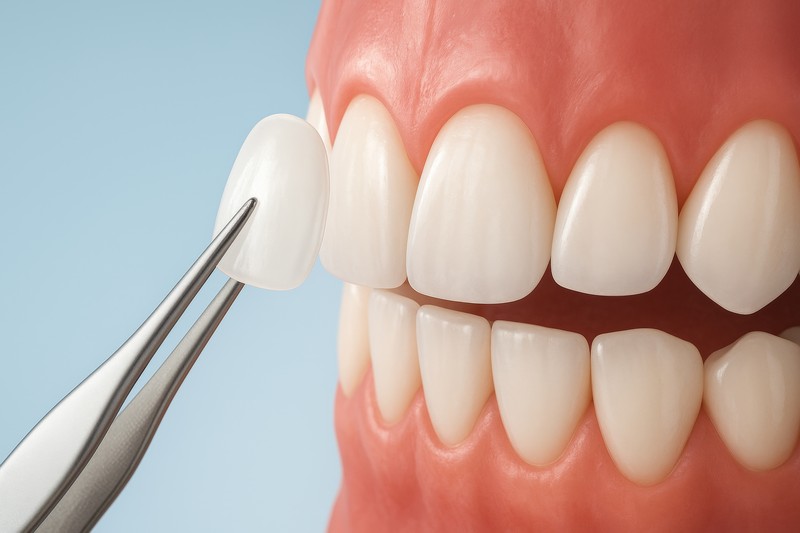
Dental veneers are thin coverings placed over the front surface of teeth to improve their appearance while maintaining a natural-looking smile. They can correct concerns such as discoloration, worn enamel, small chips, uneven spacing, minor gaps, and irregular tooth shapes, allowing several cosmetic improvements to be achieved through one customized treatment.
Both composite and porcelain veneers are designed to enhance smile aesthetics, yet the materials used to create them result in noticeable differences in durability, appearance, maintenance, and lifespan. Comparing these characteristics helps patients develop realistic expectations before beginning cosmetic treatment.
Why the Material Matters
The material selected for veneers influences much more than the final appearance because it also affects how the restoration responds to daily wear, staining, and long-term maintenance. Patients looking for cosmetic improvements should understand that each material offers its own strengths depending on personal priorities and lifestyle habits.
Rather than focusing on which material is universally better, it is more helpful to evaluate which option best matches individual expectations. Factors such as budget, desired longevity, treatment timeline, and cosmetic goals all contribute to selecting the most appropriate veneer solution.
Composite Veneers Explained
Composite veneers are created from a tooth-colored resin material that is carefully sculpted directly onto the surface of each tooth before being polished to achieve a natural appearance. This technique allows cosmetic improvements to be completed efficiently while preserving much of the natural tooth structure.
Because composite resin can be shaped during treatment, adjustments are possible throughout the procedure to create balanced and attractive results. Many patients appreciate this flexibility since small refinements can be made immediately before the treatment is completed.
Benefits of Composite Veneers
One of the biggest advantages of composite veneers is their conservative treatment approach, which generally requires less preparation than some other cosmetic procedures. Treatment can also be completed in fewer appointments, making composite veneers appealing for patients seeking noticeable improvements without an extended treatment timeline.
Composite material is also easier to repair if small chips or minor damage occur during everyday use. Instead of replacing the entire restoration in many situations, localized repairs may restore appearance while extending the life of the veneers with appropriate care.
Porcelain Veneers Explained
Porcelain veneers are custom-crafted restorations created in a dental laboratory before being bonded to the front surfaces of the teeth. Because every veneer is individually designed, they are carefully matched to the patient’s smile, creating natural-looking results that complement facial features and surrounding teeth.
The manufacturing process allows porcelain veneers to achieve exceptional precision in shape, size, and color while creating a highly polished finish. Although treatment generally requires additional appointments compared with composite veneers, many patients appreciate the detailed customization involved throughout the process.
Benefits of Porcelain Veneers
Porcelain veneers are widely recognized for their durability and ability to maintain their appearance for many years with proper care. Their smooth surface resists everyday staining more effectively than composite resin, allowing patients to enjoy a brighter smile with less noticeable discoloration over time.
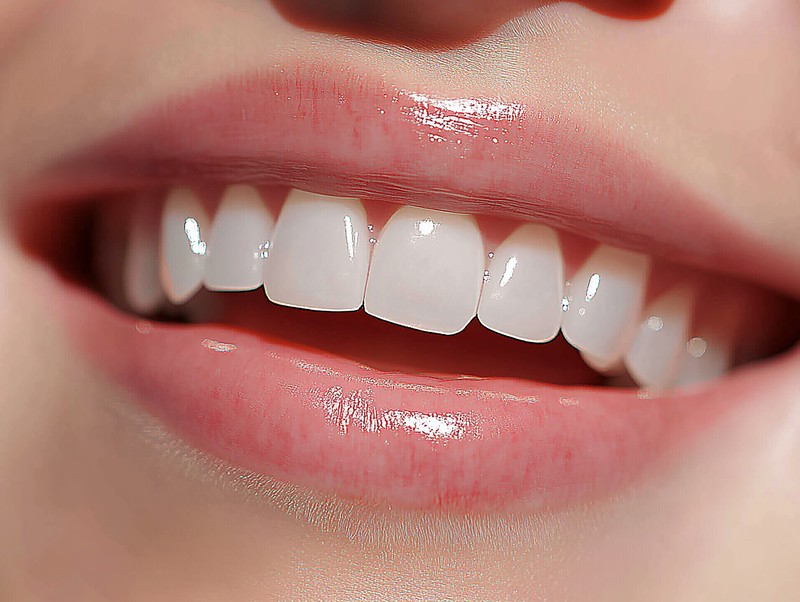
Another significant advantage is the highly natural appearance that porcelain can create because it reflects light similarly to natural enamel. This characteristic helps veneers blend seamlessly with surrounding teeth, producing cosmetic improvements that look refined rather than artificial.
Composite vs Porcelain Veneers: Appearance
When comparing composite and porcelain veneers, appearance is one of the first factors patients consider because the goal is a smile that looks both attractive and natural. Composite veneers can create beautiful results, especially when placed with precision, but porcelain is generally known for its ability to mimic the light-reflecting qualities of natural tooth enamel more closely.
Both materials can improve the color, shape, and symmetry of teeth, yet the final choice depends on personal expectations and cosmetic goals. Patients seeking subtle enhancements may be pleased with composite veneers, while those looking for long-lasting aesthetics may prefer the refined appearance that porcelain can achieve.
Durability and Longevity
Durability is another important difference between the two options because cosmetic treatment is an investment in a healthier-looking smile. Composite veneers are durable enough for everyday use, though they generally have a shorter lifespan than porcelain and may require occasional repairs or replacement over time.
Porcelain veneers are manufactured from a stronger material that withstands daily wear more effectively when cared for properly. While no restoration lasts forever, porcelain typically maintains its appearance and strength for many years, making it a preferred option for patients seeking longer-lasting cosmetic improvements.
Composite vs Porcelain Veneers: Stain Resistance
Daily habits such as drinking coffee, tea, or other dark-colored beverages can gradually affect the appearance of cosmetic restorations. Composite resin is more likely to absorb stains over time, which means its brightness may diminish sooner than porcelain if proper care is not maintained.
Porcelain has a smoother and less porous surface that resists staining more effectively, helping it maintain a brighter appearance for a longer period. Good oral hygiene remains important regardless of the material, but porcelain generally requires fewer cosmetic touch-ups related to discoloration.
Treatment Time and Maintenance
Treatment timeline is another area where composite and porcelain veneers differ. Composite veneers are commonly completed in fewer appointments because the material is applied and shaped directly on the teeth, allowing patients to enjoy cosmetic improvements within a shorter period.
Porcelain veneers involve additional planning because impressions are taken before the custom restorations are fabricated in a dental laboratory. Although treatment requires more time, many patients appreciate the detailed customization and long-term durability that accompany the extra appointments.
Cost Considerations
Budget plays an important role when selecting any cosmetic dental treatment, and veneer options vary in overall investment. Composite veneers generally have a lower initial cost, making them an appealing choice for patients who want noticeable cosmetic improvements while keeping treatment expenses more manageable.
Porcelain veneers usually involve a higher upfront investment because of the materials used and the custom fabrication process. Many patients view this additional cost as worthwhile because of the restoration’s durability, stain resistance, and long-term appearance, making the decision dependent on personal priorities rather than price alone.
Transform Your Smile With Personalized Cosmetic Care
Every smile deserves thoughtful planning and personalized attention. At Mountain Shadows Family Dental, we take time to discuss every cosmetic option so you can make an informed decision with confidence. Get in touch today to schedule a consultation and begin your journey toward a smile you will enjoy sharing.
FAQs
Which lasts longer, composite or porcelain veneers?
Porcelain veneers generally last longer than composite veneers because they are more durable and resistant to everyday wear and staining.
Are composite veneers less expensive than porcelain veneers?
Yes, composite veneers typically have a lower initial cost, making them a popular option for patients with budget considerations.
Can both types of veneers look natural?
Yes, both options can create natural-looking smiles when carefully designed and matched to the surrounding teeth.