


Your smile does a lot of heavy lifting. It is the first thing people notice, the thing you rely on to chew, speak, and laugh without a second thought. When a tooth is damaged or goes missing entirely, the impact is felt physically and emotionally. Eating becomes careful, smiling becomes hesitant, and something you never had to think about becomes something you think about constantly.
The good news is that restoring your smile is more accessible than most people realize. Two of the most trusted solutions in restorative and cosmetic dentistry are dental crowns and bridges.
Both are designed to restore your smile to full function and a natural appearance, but they work differently and address different problems. Understanding the difference between dental crowns and bridges is the first step toward knowing what your smile actually needs.
At Mountain Shadows Family Dental, we provide dental crowns and bridges in Buckeye, AZ and believe that informed patients make confident decisions. Here’s a clear, straightforward comparison of these two restorations.
Dental Crowns and Bridges: What Are They?
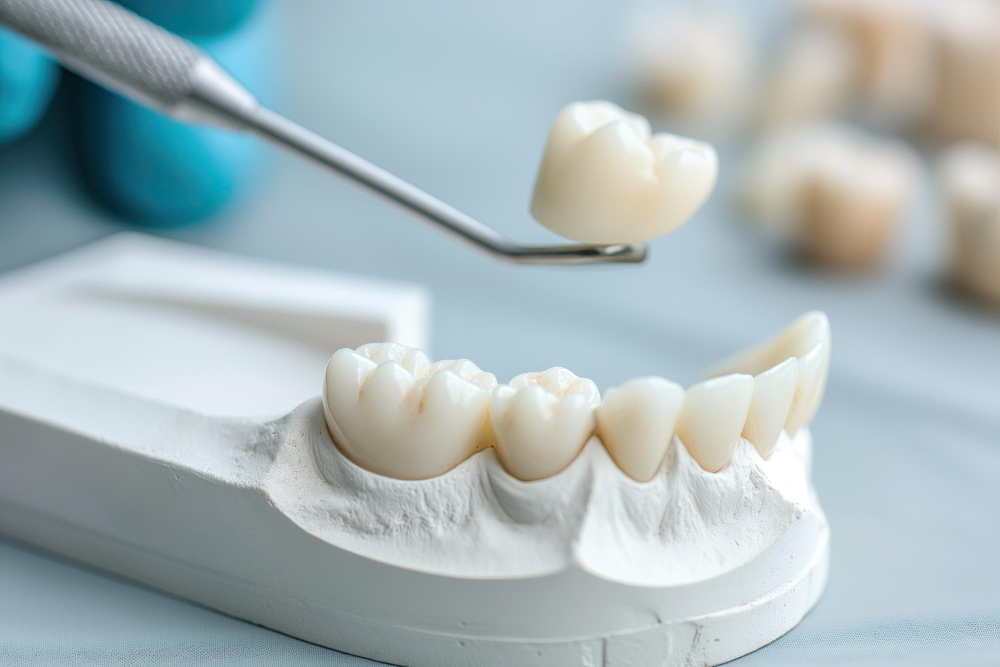
Before comparing the two, it helps to understand what each restoration actually is. A dental crown is basically a cap. It fits over the entire visible portion of a tooth, restoring its shape, size, and function. Crowns are used to protect a damaged or decayed tooth or to place on top of a dental implant to replace a missing tooth.
A dental bridge is designed specifically to replace one or more missing teeth. It uses crowns on either side of the gap, anchored to neighboring natural teeth or implants, with artificial teeth (called pontics) filling the space in between.
Our page covers both options in detail if you want to explore further before your visit.
Their Primary Purpose Is Different
This is the most important distinction to understand. A crown focuses on a single tooth. If a tooth is cracked, severely decayed, or has undergone a root canal, a crown is placed to protect what remains and restore normal function.
A bridge addresses tooth loss. When a tooth is completely missing, a bridge spans the gap and restores the look and function of a full smile. It prevents the surrounding teeth from drifting out of position, which can lead to bite problems and further dental complications.
So the decision often starts here: are we repairing a tooth, or replacing one?
The Preparation Process Looks Different Too
Getting a crown typically involves reshaping the existing tooth so the crown can fit over it properly. Your dentist takes an impression of your bite, and the crown is custom-made to match your tooth’s natural shape and color. Depending on the material chosen and the technology available, some crowns can even be completed in a single visit.
A bridge requires more preparation because multiple teeth are involved. The teeth adjacent to the gap, called abutment teeth, are reshaped to hold the crowns that anchor the bridge. An impression is taken, the bridge is custom-fabricated, and temporary restorations are placed in the meantime.
The Materials Are Similar, But the Application Varies
Both crowns and bridges can be made from porcelain, ceramic, metal alloys, or a combination of these materials. Porcelain and ceramic options are popular because they closely mimic the appearance of natural teeth. Metal alloys are known for durability and are often used for back teeth, where strength matters more than aesthetics.
The material choice depends on where the restoration is located in your mouth, your bite pressure, your budget, and your personal preferences. A good dentist will walk you through all of these factors so you feel informed and comfortable before any work begins.
How They Affect Surrounding Teeth
A crown only involves the damaged tooth itself. The neighboring teeth are not altered in any way, which is a notable advantage if those surrounding teeth are healthy.
A bridge, because it anchors to adjacent teeth, does require those neighboring teeth to be reshaped and prepared. This is a trade-off worth considering. If the abutment teeth are already in good condition, some patients prefer to explore implant-supported bridges instead, which do not require altering healthy teeth.
Longevity and Ongoing Care
With proper care, both crowns and bridges can last many years. Good oral hygiene is the foundation. Brushing at least twice a day, flossing or using a water flosser daily, and visiting your dentist regularly for cleanings all play major roles in how long your restoration lasts.
Hard foods, ice, and habits like teeth grinding can wear down or loosen restorations over time. Talking through how to care for your specific restoration with your dental team helps you get the most out of your investment.
Cost Can Vary Based on Complexity
A single crown is generally less expensive than a bridge, simply because a bridge involves more materials and more preparation. However, the total cost also depends on the materials used, the tooth’s location, and the extent of the work required.
Cost should never be a barrier to a healthy smile. Many dental practices offer new patient specials and financing options to help make restorative care more accessible. It is always worth asking about what is available to you.
Your Smile Deserves the Right Fit
There is no universal answer to which restoration is better. It truly depends on your unique situation: the condition of the affected tooth, the health of surrounding teeth, how many teeth are missing, and your long-term oral health goals. What is clear is that leaving gaps or damaged teeth untreated tends to create bigger problems over time, including drifting teeth, gum disease, and jaw issues.
The right tooth restoration is the one that fits your mouth, your health, and your life. At Mountain Shadows Family Dental, Dr. Garrett and our team take a personal, patient-first approach to every consultation. Schedule your visit and take the first step toward a smile you love.