

Losing a tooth changes more than just your smile. It changes how you bite into food, how clearly you speak, and sometimes how freely you laugh in a room full of people. The gap left behind is more than cosmetic, and most people who’ve dealt with it know exactly what that feels like.
The good news is that modern dentistry has come a long way, and today there are solutions that go well beyond temporary fixes or bulky appliances. At Mountain Shadows Family Dental, we work with patients who want something that actually lasts, looks natural, and feels like part of their mouth again. If you’ve been wondering what the dental implant restoration process looks like from start to finish, you’re in the right place.
What Does the Dental Implant Restoration Process Actually Involve?
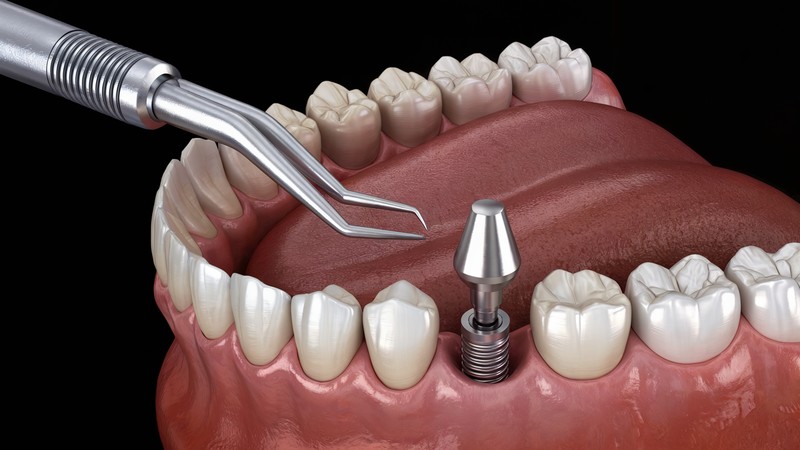
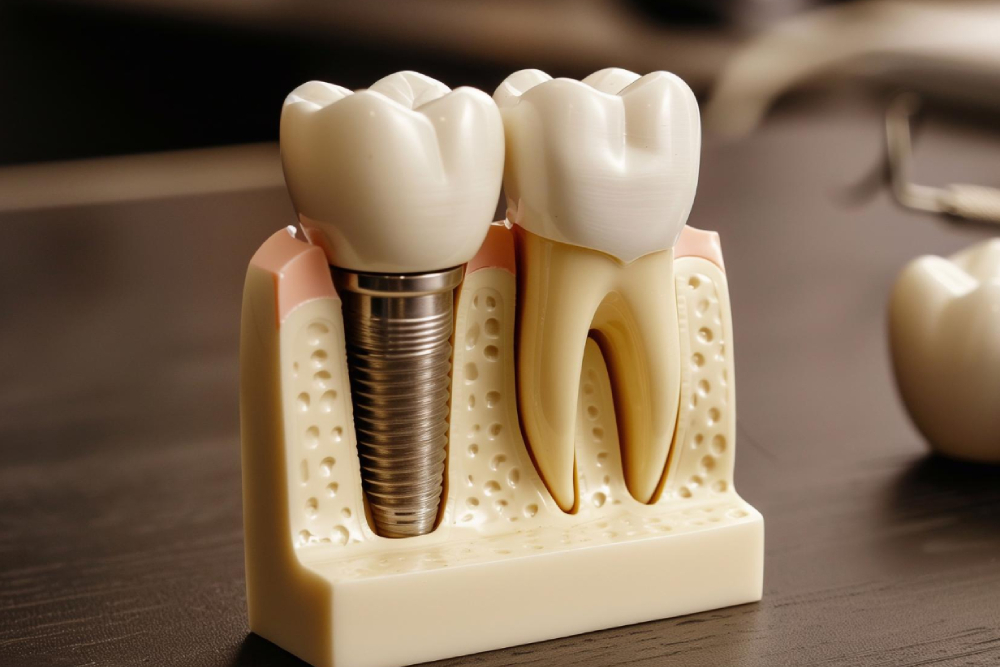
Think of it this way: A missing tooth leaves behind an empty root space, and that space needs something solid to fill it. The restoration process addresses exactly that. A small titanium post is placed into the jawbone, acting as a new root. Over time, the bone fuses around it, creating a stable anchor. A custom crown, bridge, or denture is then secured on top to complete the picture.
To have a closer look at how we approach dental implant restorations in Buckeye, AZ, we can walk you through what patients can expect. The process takes time, but the outcome is a tooth that functions, looks, and feels remarkably close to the real thing. Once fully healed, most patients say they forget it was ever missing.
The Consultation: Where It All Starts
The process begins with a consultation, and this appointment matters more than people often realize. It’s not just a quick look in the mouth. Your dentist will review your medical and dental history, take X-rays, and assess the condition of your gums and jawbone. This is also where you get to ask questions and talk through your options. A personalized treatment plan gets developed based on your specific situation.
One thing that sometimes surprises patients: not everyone is immediately ready for implant placement. Some people need a bone graft first to build up jawbone density, and others may require periodontal treatment if gum disease is present. These aren’t setbacks. They’re preparation steps that make the final outcome more successful.
Implant Placement and the Healing Period
Once your mouth is ready, the next step is the surgical placement of the titanium post into the jawbone. The procedure is typically done under local anesthesia, so discomfort during the appointment itself is minimal.
Most patients are surprised by how manageable it is. The post is positioned precisely where the missing tooth root once was. From there, the healing process begins.
This healing phase is called osseointegration, which simply means the jawbone gradually fuses around the titanium post over time. It generally takes 3 to 6 months, depending on factors such as your bone density and overall oral health. People with healthy gums and a strong jawbone tend to move through this phase a bit faster.
Most patients can return to their normal routine within about two weeks after surgery. A soft-food diet during recovery, good oral hygiene, and following your dentist’s aftercare instructions all play a role in how well the healing process goes. Sedation options for patients who feel anxious about dental procedures are available to help make the experience more comfortable from start to finish.
Abutment Placement: The Bridge Between Post and Crown
Once the implant has fully integrated with the bone, a small connector piece called an abutment is attached to the post. This requires a minor procedure to reopen the gum and access the implant, then the abutment is secured in place.
The gum tissue needs about one to two weeks to heal around the abutment before the next step. It sounds like a lot of waiting, but this stage is what makes the final restoration stable and long-lasting.
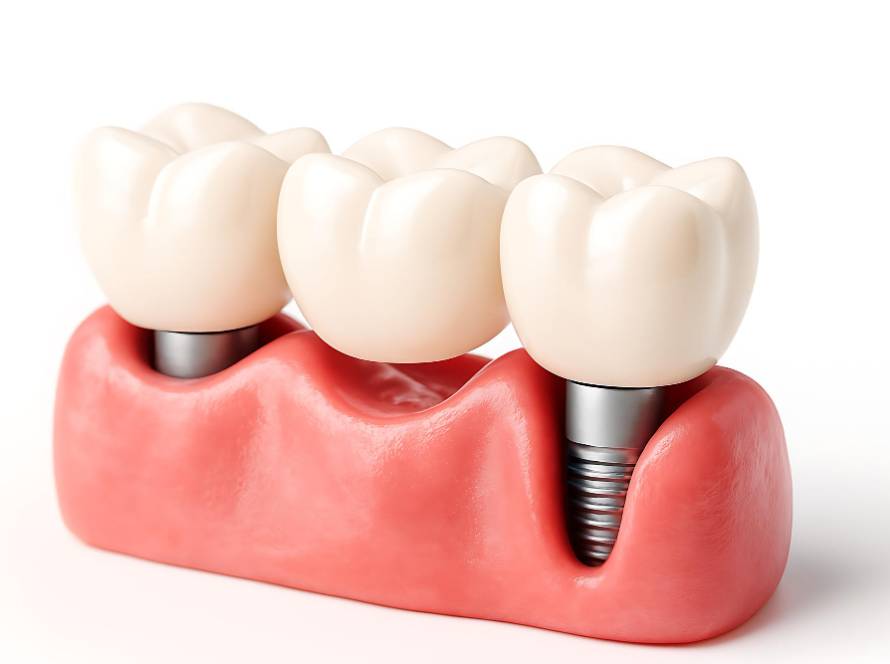
After healing, precise impressions and bite measurements are taken. These are used to craft your custom restoration based on your specific needs. A crown can replace a single missing tooth, a bridge can span multiple teeth, and a denture can address more extensive replacement.
The Custom Restoration: Crafting Something that Fits You
The impressions and measurements taken after abutment placement go toward fabricating your final prosthetic. Modern dental labs use advanced technologies such as CAD/CAM systems to design restorations with high accuracy. The goal is a restoration that matches the color, shape, and size of your surrounding teeth so closely that it blends right in.
Fabrication and fitting typically take two to four weeks. Once the restoration is ready, it’s placed and adjusted to make sure the fit and bite feel right. Small tweaks at this stage are completely normal and expected. The final result is a tooth that looks natural and functions like a real tooth.
Long-Term Care: Protecting Your Investment
A well-cared-for dental implant can last 25 years or more, and many last a lifetime. That’s one of the reasons this option appeals to so many patients compared to other tooth replacement methods.
Caring for implants is refreshingly straightforward. Brush, floss, and use mouthwash regularly, the same habits you’d follow for your natural teeth. Avoid tobacco, skip habits like chewing ice, and keep up with your regular dental checkups and cleanings every six months.
Unlike bridges, implants don’t require altering the neighboring teeth. Unlike dentures, there’s no slipping or discomfort. The implant becomes part of your mouth in a functional and lasting way.
One underappreciated benefit worth mentioning: implants also preserve your jawbone. When a tooth is lost, the bone underneath begins to deteriorate over time without stimulation. Implants mimic natural tooth roots and keep that bone active, which helps maintain the structure and shape of your face over the long term.
A Complete Smile Is Closer Than You Think
Understanding the process is often the biggest hurdle for people considering implants. Once you know what to expect, it feels a lot less intimidating.
The journey from consultation to final restoration does take time, but the outcome is a stable, natural-looking tooth that can last for decades. If you’ve been missing a tooth for years or are facing an extraction soon, it’s worth discussing whether an implant restoration is the right fit for your situation.
If you’re ready to learn more or want to talk through your options, reach out to our team at Mountain Shadows Family Dental. We’re happy to answer your questions and help you take the next step with confidence and care.