

Quick Summary
Dental cleanings range from routine prophylaxis for healthy gums to deeper treatments like scaling and root planing for patients with gum disease. Each type targets a different level of plaque, tartar, and bacteria buildup below and above the gumline, addressing concerns unique to each patient’s history. Choosing the right type of cleaning depends on a patient’s current gum health and how long it has been since their last professional visit to the dentist.
Not all dental cleanings look the same. The types of dental cleaning a patient needs depend on factors like gum health, tartar buildup, and how consistently they’ve kept up with checkups over the years. Skipping routine visits can turn a simple cleaning into a longer, more involved procedure down the road, sometimes requiring several extra appointments to catch up. Here’s a look at the different cleaning options available and what each one is designed to address for patients of different ages and gum conditions.
At Mountain Shadows Family Dental, we perform dental cleaning in Buckeye, AZ, tailored to each patient’s gum health and history, so every visit leaves your smile thoroughly cared for.
Routine Prophylaxis Cleaning
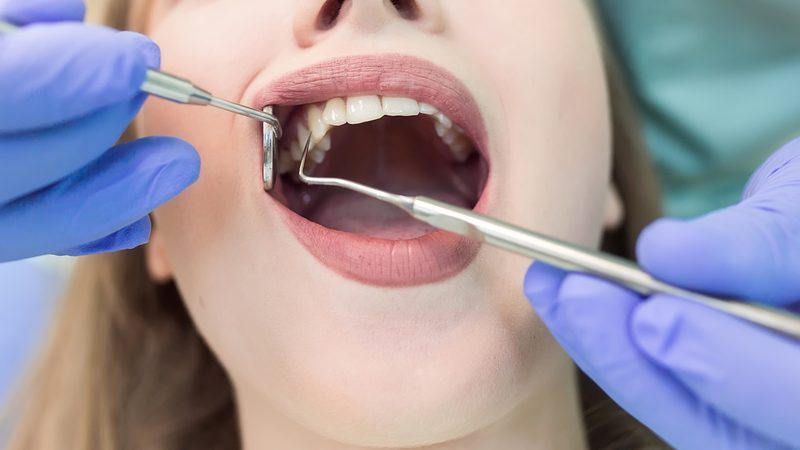
A routine cleaning, sometimes called a prophylaxis, is the standard cleaning recommended for patients with healthy gums and no signs of periodontal disease. A hygienist removes plaque and tartar from the surface of the teeth and along the gumline, then polishes the teeth to remove surface stains.
This type of cleaning typically takes thirty to sixty minutes and is recommended twice a year for most patients. It plays a key part in catching early signs of decay or gum inflammation before they progress into something more serious, keeping small issues from turning into bigger appointments later on. A dentist usually examines X-rays at the same visit, giving a complete picture of oral health in a single stop.
Scaling and Root Planing (Deep Cleaning)
Scaling and root planing, often called a deep cleaning, treats patients who have plaque and tartar built up below the gumline, usually due to early or moderate gum disease. Scaling removes buildup from the tooth surface and root, while root planing smooths the root to help gum tissue reattach more easily. This procedure often requires local anesthesia and may be completed over two or more visits, treating one side of the mouth at a time.
Deep cleanings are typically followed by more frequent maintenance visits to keep gum disease from progressing further and to monitor how well the gums respond to treatment over the following months. Patients often notice less bleeding and tenderness once the healing process is complete.
Periodontal Maintenance Cleaning
Patients who have already been treated for gum disease often move into a periodontal maintenance schedule, which involves more frequent cleanings than a standard twice-a-year visit. These appointments focus on keeping bacteria levels low below the gumline, where periodontal disease tends to return if left unchecked.
Maintenance cleanings are usually scheduled every three to four months rather than twice a year, giving the hygienist more opportunities to catch early signs of returning inflammation before it causes further damage to the gum tissue and supporting bone. Staying on this schedule, even once symptoms seem to have cleared up, tends to produce the most stable long-term results for gum health.
Gross Debridement
A gross debridement is recommended for patients who haven’t had a cleaning in a long time and have heavy tartar buildup covering large areas of the teeth. This initial cleaning removes the bulk of visible plaque and tartar so the dentist can properly examine the teeth and gums underneath.
Because debridement is more about clearing the way for an accurate exam, a follow-up cleaning or deep cleaning is often scheduled once the extent of the buildup and any gum disease becomes clear through a closer look at the teeth and surrounding tissue. Patients returning after several years away from the dentist often start here before moving on to a more targeted plan.
Pediatric Cleanings
Cleanings for children are generally gentler and quicker than adult cleanings, focused on building comfort with dental visits as much as removing plaque. A pediatric cleaning often includes a fluoride treatment to strengthen developing enamel and may involve sealants for molars prone to decay.
Starting cleanings early, often by a child’s first birthday or first tooth, helps children grow up seeing dental visits as a normal, low-stress part of life rather than something to dread, which can shape how comfortable they feel in the dental chair for years to come and well into adulthood. Parents are often invited to stay close by during these early visits to help ease any nerves.
Why Regular Cleanings Support Overall Health
Regular cleanings do more than keep teeth looking bright. Removing plaque and tartar on a consistent schedule lowers the risk of cavities, gum disease, and the bone loss that can follow untreated periodontal problems. Research has also linked gum health to conditions like heart disease and diabetes, since the same bacteria responsible for gum inflammation can affect the rest of the body once it enters the bloodstream.
Staying current on cleanings, whichever type applies, gives a dentist the chance to spot these connections early and coordinate with a patient’s broader healthcare needs. For many patients, a consistent cleaning schedule becomes one of the simplest habits that protects both a smile and overall wellbeing over the long run, often without much extra effort once it becomes routine.
Keep Your Smile Healthy at Mountain Shadows Family Dental
At Mountain Shadows Family Dental, we handle the full range of cleanings, from routine prophylaxis to deep cleanings, periodontal maintenance, and gross debridement, tailored to where each patient’s gum health currently stands. Dr. Garrett and our hygiene team take time to explain what’s happening beneath the surface, so patients understand why a certain type of cleaning is recommended for their smile rather than being handed a generic plan.
We work with most major dental insurance plans and keep scheduling simple, even for patients who are overdue for a visit or nervous about returning after a long gap. Our Litchfield Park office welcomes patients of every age, from a child’s first cleaning to ongoing periodontal care for adults. Call us at (623) 691-6300 to schedule your next cleaning visit with us today.
Frequently Asked Questions
How do I know if I need a deep cleaning instead of a routine cleaning?
A dentist or hygienist checks gum pocket depth and looks for tartar buildup below the gumline during an exam. Deeper pockets and bleeding gums are common signs that scaling and root planing may be needed instead of a routine cleaning, and X-rays can confirm how far any bone loss has progressed.
Does a deep cleaning hurt?
Local anesthesia is typically used during scaling and root planing, so most patients feel little during the procedure itself. Some soreness or sensitivity afterward is common and usually fades within a few days with normal brushing and flossing.
How often should children have their teeth cleaned?
Most children benefit from a cleaning every six months, the same schedule recommended for adults, starting around their first birthday or once their first tooth appears in the mouth and gums.
