

Quick Summary
How often teeth whitening should happen depends on the method used, the cause of staining, and how sensitive a patient’s teeth tend to be on a daily basis. Professional bleaching is typically repeated every six months to a year, while milder whitening toothpaste can be used daily without added risk to enamel. Whitening too frequently, especially with stronger products, can wear down enamel and increase sensitivity over time.
Whitening results fade over time, so most patients eventually wonder how often teeth whitening treatments should be repeated to keep a smile bright. The answer depends on which method is used, since professional treatments and over-the-counter products follow very different timelines.
Whitening too often can do more harm than good, wearing down enamel and increasing sensitivity instead of improving appearance over the long run. Here’s a closer look at how frequently different whitening methods should be used and what signs suggest it’s time to slow down.
At Mountain Shadows Family Dental, we guide patients through teeth whitening in Buckeye, AZ, with a schedule that fits their enamel health and keeps their smile bright without overdoing it.
General Guidelines for Whitening Frequency
Most dentists recommend professional whitening treatments no more than once every six months to a year, giving enamel time to recover between sessions. This timeline applies to both in-office bleaching and take-home trays prescribed by a dentist, since both use a higher concentration of peroxide than drugstore products.
Milder products like whitening toothpaste or rinses can typically be used daily as part of a normal oral care routine, since they rely on gentle abrasives rather than strong bleaching agents. Following these general guidelines helps patients maintain a bright smile without putting unnecessary strain on the teeth over time, while still leaving room for occasional touch-ups between full treatments.
Factors That Affect How Often You Should Whiten
A few personal factors shape how often whitening makes sense for a given patient. Diet plays a significant role, since frequent coffee, tea, red wine, or tobacco use causes stains to return faster than they would for someone with fewer staining habits. Natural tooth color and the cause of discoloration also play a role, as intrinsic stains from medication or aging may respond more slowly and require more frequent maintenance than surface stains.
Existing sensitivity is another consideration, since patients prone to sensitive teeth often need longer gaps between treatments to avoid discomfort. Age can factor in too, since enamel naturally thins over the years, which changes how teeth respond to repeated bleaching sessions.
Signs You’re Whitening Too Often
Overdoing whitening treatments can cause more problems than it solves. Increased tooth sensitivity to hot, cold, or sweet foods is often the first sign that whitening has been happening too frequently. Gum irritation, a chalky or translucent appearance near the edges of teeth, and uneven color between natural teeth and any existing restorations are also signs worth paying attention to.
If any of these symptoms show up, it’s worth pausing whitening treatments for a while and discussing options with a dentist before resuming any further sessions down the line.
How Often to Use Different Whitening Methods
Different products come with different safe-use timelines. In-office professional bleaching is typically spaced six months to a year apart. Take-home trays from a dentist are usually used for one to two weeks at a time, then repeated every six to twelve months for touch-ups. Over-the-counter strips can often be used in two-week cycles a few times a year, following the instructions on the package closely.
Whitening toothpaste and rinses are generally safe for daily use since they work on the surface rather than changing the tooth’s underlying shade, making them a lower-risk option for everyday maintenance between bigger treatments.
Maintaining Results Between Treatments
Stretching the time between whitening treatments often comes down to daily habits rather than the treatment itself. Rinsing with water after drinking coffee, tea, or wine helps limit how long staining compounds sit on the teeth. Using a straw for dark beverages reduces direct contact with the front teeth, and brushing within a reasonable time after eating keeps new stains from setting in.
These small habits can meaningfully extend the time between professional treatments, saving both money and wear on the enamel over the course of a year. A touch-up kit from a dentist can also help maintain results between full treatments without the cost of a complete session.
When to Check with a Dentist
Patients unsure about how often to whiten their teeth benefit from a quick conversation with a dentist before starting or repeating any treatment. A dentist can check for enamel wear, existing restorations that won’t respond to bleaching the same way natural teeth do, and any gum issues that might make whitening uncomfortable.
This is especially useful for patients who whiten frequently or who have tried multiple products without seeing the results they expected. A professional opinion helps avoid both under-treating and overdoing a whitening routine over the course of a year.
Whitening for Patients with Dental Work
Patients with crowns, veneers, bonding, or fillings in visible areas face an extra consideration when it comes to whitening frequency. Bleaching only changes the color of natural tooth enamel, so existing dental work won’t lighten along with the rest of the smile. Whitening too aggressively can create a noticeable mismatch between natural teeth and restorations that were matched to an earlier, darker shade.
For these patients, a dentist often recommends whitening natural teeth first, then replacing visible restorations to match the new, brighter shade rather than whitening repeatedly in an attempt to blend mismatched colors together. Planning around existing dental work ahead of time saves both frustration and unnecessary treatment down the road.
Keep Your Smile Bright at Mountain Shadows Family Dental
At Mountain Shadows Family Dental, we help patients figure out a whitening schedule that fits their teeth, habits, and goals, rather than guessing based on a drugstore product label. Dr. Garrett and our team check enamel health and any existing restorations before recommending a treatment plan, so whitening stays both effective and safe over time.
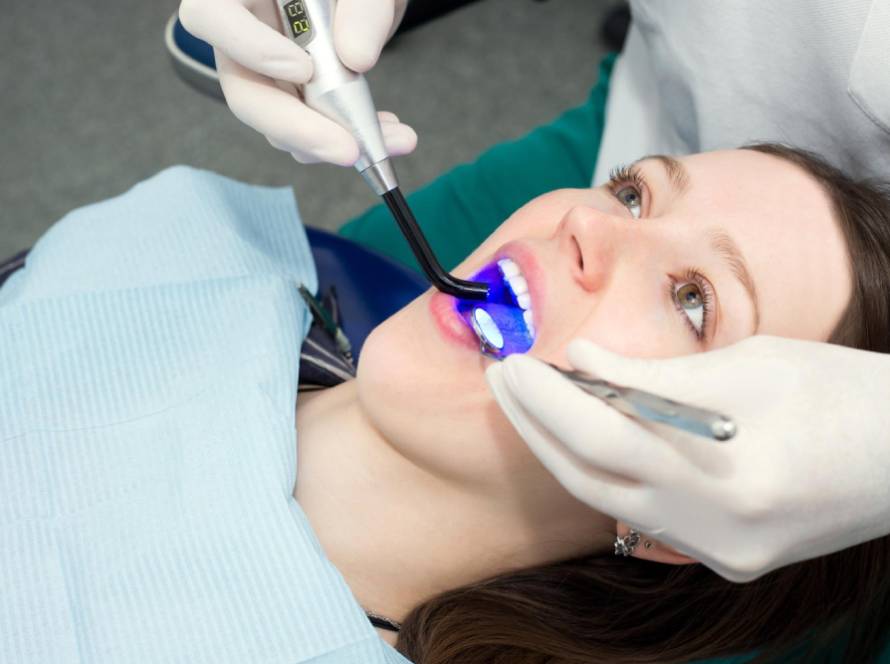
Our in-office whitening uses a protective gel for your gums and a whitening solution activated by a special light, delivering results in about an hour that last longer than over-the-counter options. If your smile could use a refresh, our Litchfield Park office is ready to help you find the right frequency and method. Call us at (623) 691-6300 to schedule a whitening consultation with our team today.
Frequently Asked Questions
Can I whiten my teeth every week?
Weekly whitening with strong bleaching products isn’t recommended, since it increases the risk of enamel damage and sensitivity over time. Most professional treatments are spaced several months apart for this exact reason.
Does whitening get less effective the more I do it?
Teeth can reach a point where further whitening doesn’t produce much noticeable change, since there’s a natural limit to how light enamel can become regardless of treatment frequency or product strength used.
Is daily whitening toothpaste safe for long-term use?
Whitening toothpaste is generally safe for daily use since it relies on mild abrasives rather than strong bleaching agents, though switching to a regular, gentler toothpaste occasionally can help avoid excess wear on enamel over many years.