

Quick Summary
Whitening strips can be an effective way to brighten teeth, but timing matters when it comes to brushing. Brushing too aggressively or immediately before treatment may increase sensitivity, while proper preparation can help improve comfort and allow whitening products to work as intended. Understanding the correct routine helps maximize results while protecting oral health.
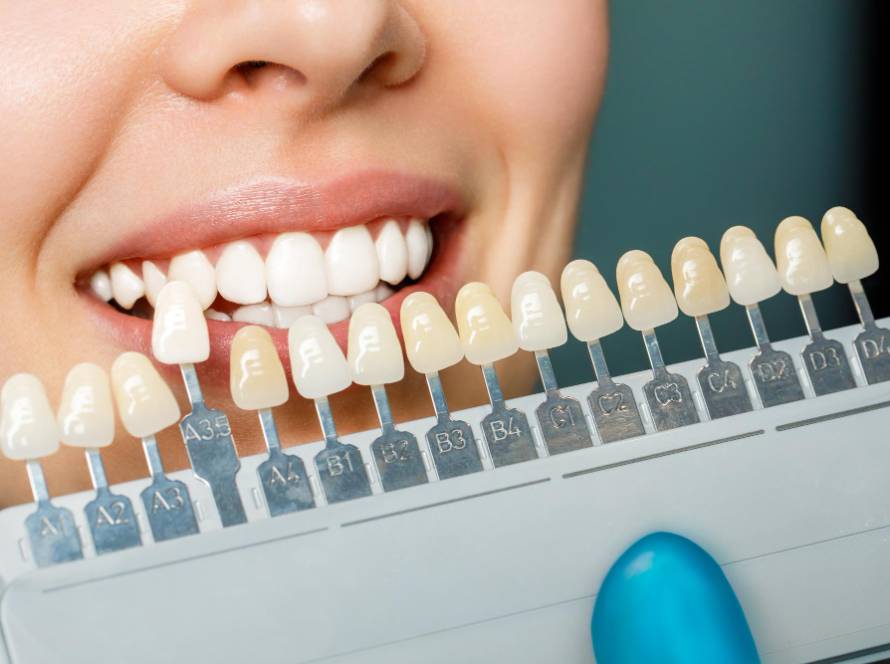
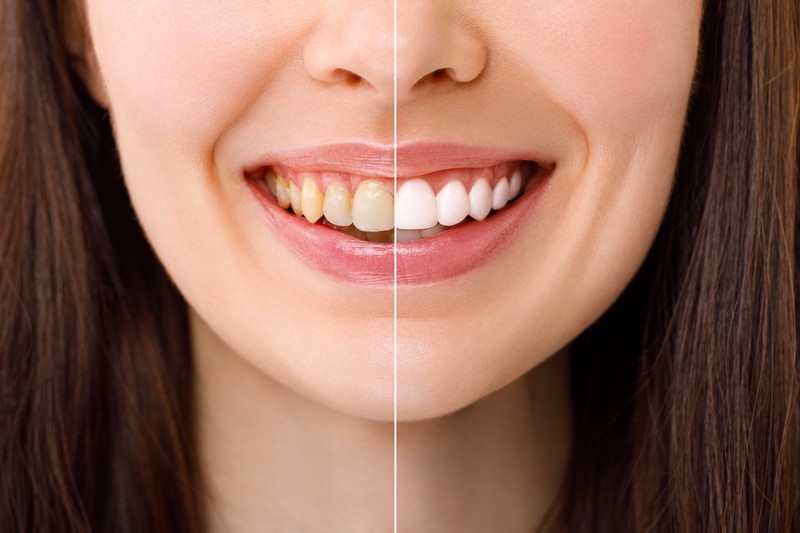
The question should I brush my teeth before using whitening strips is common among people looking to improve the appearance of their smile at home. Whitening strips are designed to sit directly against the teeth so the whitening ingredients can target surface stains, making preparation an important part of the process.
Good oral hygiene plays a role in successful whitening, but brushing at the wrong time may lead to unnecessary sensitivity or irritation. Understanding how whitening strips interact with teeth and gums can help patients achieve a brighter smile more comfortably, which is something we discuss with patients interested in cosmetic dental care.
Why Oral Hygiene Matters Before Whitening
Teeth naturally collect plaque, food particles, and surface debris throughout the day, which can create a barrier between whitening strips and tooth enamel. A clean tooth surface allows whitening ingredients to make better contact, helping the product work more effectively during the recommended treatment period.
At the same time, whitening products contain active ingredients that temporarily make teeth more sensitive, so preparation should focus on cleanliness without creating irritation. A balanced approach helps maintain comfort while giving whitening strips the best opportunity to target discoloration.
Should You Brush Before Applying Whitening Strips?
Brushing before whitening strips is generally recommended, but timing is important because freshly brushed teeth and gums can be slightly more sensitive. Applying strips immediately after vigorous brushing may increase discomfort, particularly for individuals who already experience sensitivity during whitening treatments.
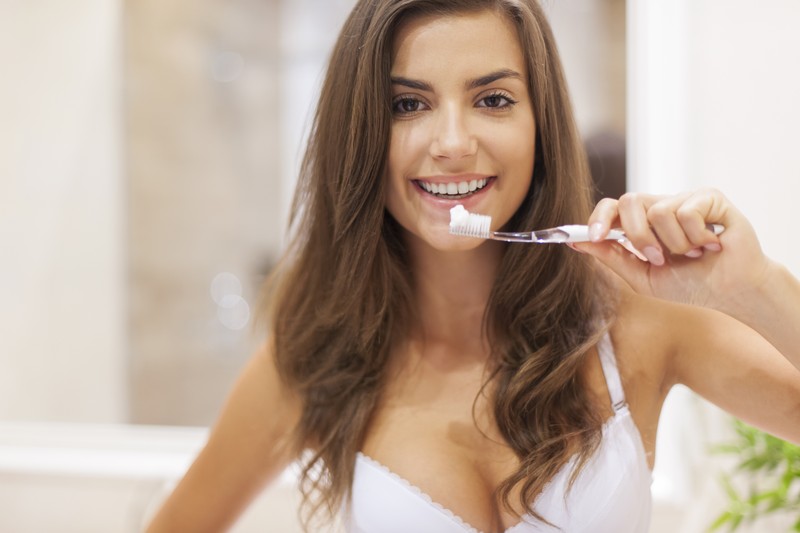
A practical approach is to brush gently and allow a short period of time before placing the strips on the teeth. This routine helps remove plaque and debris while reducing the likelihood of gum irritation that can occur when whitening ingredients come into contact with sensitive tissues.
Why Brushing Too Hard Can Be a Problem
Many people assume that extra brushing will improve whitening results, but aggressive brushing can have the opposite effect. Brushing too hard may irritate gum tissue and temporarily affect the outer surface of teeth, making them more susceptible to sensitivity during whitening treatment.
When whitening strips are applied after overly vigorous brushing, the active ingredients may trigger discomfort that could have been avoided with a gentler technique. A soft-bristled toothbrush and light pressure are generally better choices when preparing for a whitening session.
How Long Should You Wait After Brushing?
There is no universal waiting period that works for everyone, but allowing some time between brushing and whitening can be beneficial. This brief interval gives the mouth an opportunity to settle while keeping teeth clean enough for effective strip placement.
Patients who experience sensitivity may find this especially helpful because it minimizes the chance of whitening ingredients contacting irritated gum tissue. Following product instructions while maintaining a comfortable routine can contribute to a better whitening experience overall.
Additional Tips for Better Whitening Results
Consistency is one of the most important factors when using whitening strips because gradual treatment generally produces more noticeable results than occasional use. Following the recommended schedule and avoiding habits that contribute to staining can help maintain a brighter appearance throughout the whitening process.
Foods and beverages such as coffee, tea, red wine, and dark-colored sauces can contribute to discoloration over time, so limiting exposure during whitening treatment may be beneficial. Drinking water regularly and maintaining a strong oral hygiene routine can also help preserve results.
When Professional Whitening May Be a Better Choice
At-home whitening products can improve many types of surface stains, but they may not address every discoloration concern. Some stains develop beneath the enamel or are related to previous dental conditions, making professional evaluation an important step when whitening results are limited.
Patients seeking Buckeye teeth whitening treatments may benefit from professional recommendations that align with their goals and oral health needs. Professional whitening options can address stubborn discoloration while allowing treatment to be tailored to the condition of the teeth and gums.
Take the Next Step Toward a Brighter Smile
A brighter smile starts with the right approach to whitening and oral care. At Mountain Shadows Family Dental, we can discuss cosmetic options and whitening solutions tailored to your goals. Contact us today to learn more about achieving a healthier, more confident smile.
FAQs
Should I brush immediately before using whitening strips?
Gentle brushing is recommended, though waiting a short time afterward may help reduce potential tooth and gum sensitivity.
Can whitening strips work without brushing first?
They can, but removing plaque and debris beforehand helps whitening ingredients contact the tooth surface more effectively.
Why do my teeth feel sensitive after whitening strips?
Whitening ingredients can temporarily increase tooth sensitivity, particularly when teeth or gums are already irritated.