

Quick Summary
Root canal treatment is designed to save a damaged or infected tooth while relieving discomfort and preserving natural function. In some situations, a non-surgical procedure is enough to resolve the problem, while more complex cases may require a surgical approach. Understanding the differences helps patients feel more confident about treatment decisions.
A non surgical root canal is the treatment recommended for many teeth with infected or inflamed pulp because it removes the damaged tissue while preserving the natural tooth. Although surgical root canal procedures are also available, they are generally reserved for situations where conventional treatment cannot fully address the problem.
Each approach has a specific purpose and is selected according to the condition of the tooth rather than patient preference alone. Learning how these procedures differ can make treatment recommendations easier to understand, and we take time to explain every step so patients feel informed before moving forward.
Non-Surgical Root Canal
How the Procedure Works
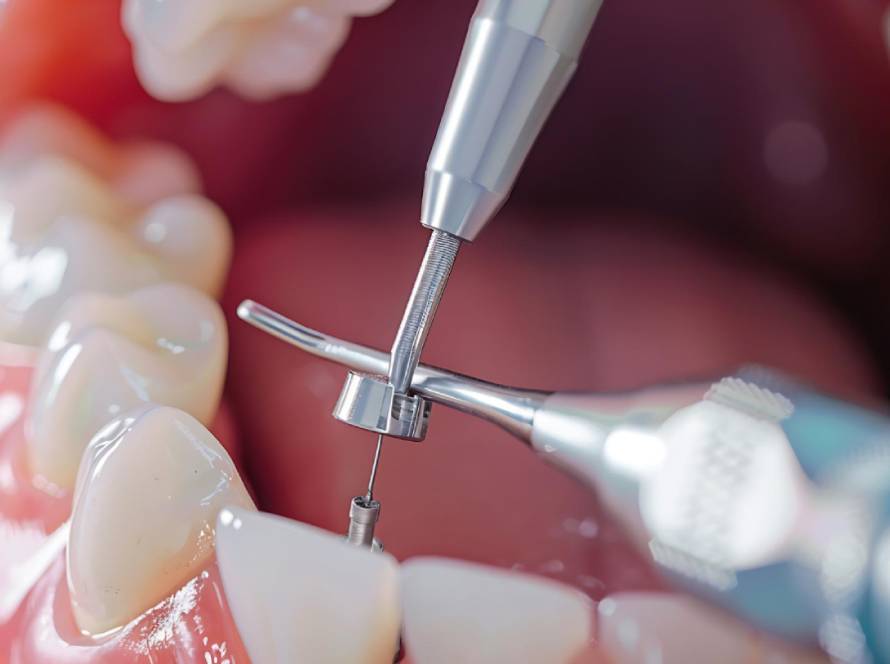
A non-surgical root canal treats infection from inside the tooth without making an incision in the surrounding gums. During treatment, the damaged or infected pulp is carefully removed, the inside of the tooth is cleaned and disinfected, and the canals are sealed to help protect against future infection.
The goal is to preserve the natural tooth whenever possible while eliminating the source of pain and infection. After healing, a dental crown may be recommended to strengthen the treated tooth and restore its normal function depending on its condition.
When it is Recommended
A non-surgical root canal is commonly recommended when infection has reached the pulp but the tooth can still be successfully treated through the crown. Deep decay, dental trauma, or large fillings that expose the inner portion of the tooth are common situations where this treatment may be beneficial.
Because the procedure addresses the infection before extraction becomes necessary, it allows many patients to continue using their natural tooth for years with appropriate care. Early diagnosis can also simplify treatment and improve long-term outcomes.
Surgical Root Canal
How Surgical Treatment Differs
A surgical root canal involves accessing the root through the gum tissue rather than through the top of the tooth. This approach is considered when conventional treatment cannot completely remove infection or when additional problems affecting the root tip require direct treatment.
The procedure allows the dentist to reach areas that may not be accessible during a traditional root canal. By treating the affected portion of the root directly, surgical care can help preserve the natural tooth when other options have not fully resolved the issue.
Situations that May Require Surgery
Surgical treatment is generally reserved for more complex cases instead of serving as the first treatment option. Persistent infection, hidden canals, fractures, or concerns involving the tip of the root may lead to a recommendation for this approach after careful evaluation.
Every patient’s situation is unique, so surgery is considered only when the expected benefits outweigh other available treatment options. A thorough examination and diagnostic imaging help determine the most appropriate course of care.
Comparing Surgical and Non-Surgical Root Canals
Procedure and Recovery
The biggest difference between the two procedures is the way the tooth is accessed during treatment. A non-surgical root canal works through the natural opening in the tooth, while surgical treatment reaches the root through the surrounding gum tissue when direct access becomes necessary.
Recovery experiences vary according to the complexity of the procedure, but both treatments are designed to preserve the natural tooth whenever possible. Following post-treatment instructions and attending follow-up visits contributes to a smooth healing process.
Success Rates and Long-Term Results
Both treatment options have strong success rates when recommended for the appropriate situation and combined with good oral hygiene. The primary objective is to remove infection, relieve discomfort, and maintain the natural tooth instead of replacing it whenever preservation remains possible.
Routine dental examinations play an important role after treatment because they allow the tooth to be monitored over time. Regular evaluations help identify any future concerns early and contribute to long-term oral health.
Which Treatment is Right for You?
The choice between surgical and non surgical root canals depends entirely on the condition of the tooth and the extent of the underlying problem. Most patients requiring root canal therapy can be successfully treated with the non-surgical approach, while surgery is reserved for situations where additional access is needed to preserve the tooth.
A comprehensive examination allows us to evaluate your symptoms, review digital X-rays, and recommend the treatment that best protects your oral health. Our goal is always to preserve natural teeth whenever it is possible and appropriate to do so.
Protect Your Natural Smile With Timely Treatment
Prompt care can make a significant difference when a tooth becomes infected or damaged because delaying treatment may allow the problem to worsen over time. Mountain Shadows Family Dental carefully evaluates each patient’s oral health, identifies the source of discomfort, and explains every available treatment option in a clear and supportive manner so patients can make informed decisions with confidence.
Every treatment plan is tailored to the patient’s needs while focusing on preserving the natural tooth whenever possible and restoring long term oral health. Get in touch with Mountain Shadows Family Dental today to schedule an appointment, discuss your symptoms with an experienced dental team, and learn which root canal approach is the best choice for protecting your smile.
FAQs
Is a non-surgical root canal the same as a regular root canal?
Yes, a non-surgical root canal is the standard root canal procedure used to treat infection inside the tooth.
When is a surgical root canal necessary?
Surgical treatment may be recommended when conventional root canal therapy cannot completely resolve the underlying problem.
Is a non-surgical root canal painful?
Modern techniques and local anesthesia help keep the procedure comfortable for most patients during treatment.
Can a root canal save my natural tooth?
Yes, root canal treatment is designed to remove infection while preserving the natural tooth whenever possible.
How long does a non-surgical root canal usually take?
Many non-surgical root canal procedures can be completed in one or two appointments, depending on the tooth and its condition.
Will I need a dental crown after a root canal?
Many treated teeth benefit from a dental crown because it helps restore strength and protects the tooth from future damage.