

Quick Summary
Dental implants replace missing teeth by serving as stable foundations for custom restorations. Several implant options are available to address different oral health needs, bone conditions, and the number of missing teeth. Understanding these treatment choices helps patients make informed decisions about restoring their smiles.
Learning about the types of dental implants is an important step for anyone considering a long-term solution for missing teeth. While dental implants share the same goal of replacing lost teeth, the treatment approach can vary depending on the number of missing teeth, jawbone condition, and overall oral health.
Every smile is unique, which means implant treatment is carefully planned to match individual needs rather than following a single approach. Understanding the different implant options can make treatment recommendations easier to understand, and we are here to explain every option while creating a personalized treatment plan.
Endosteal Implants
The Most Common Implant Option
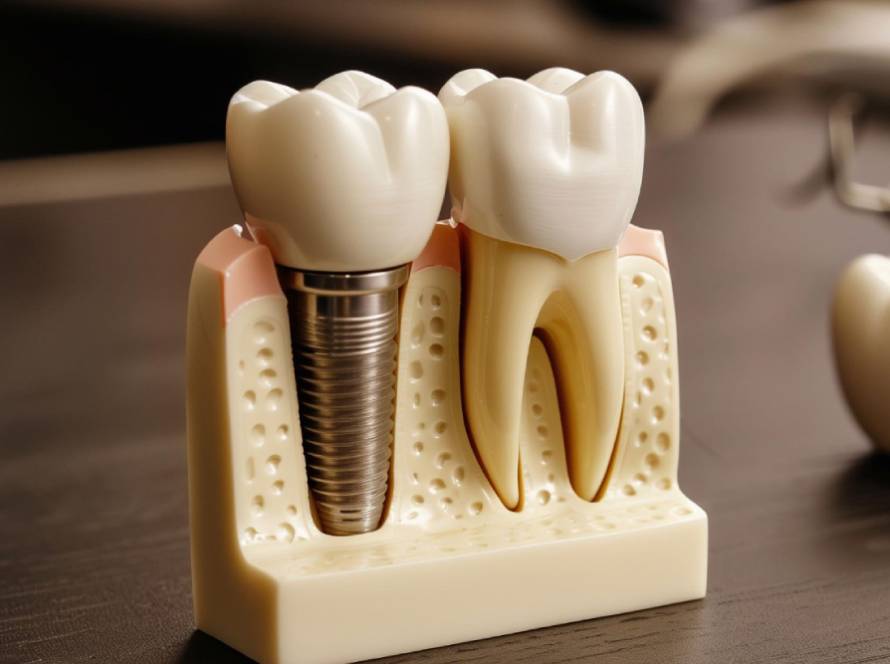
Endosteal implants are the most frequently used type of dental implant because they are placed directly into the jawbone where they function as artificial tooth roots. Once the implant integrates with the surrounding bone during healing, it creates a stable foundation for a custom restoration that looks and functions like a natural tooth.
This option is commonly recommended for patients who have adequate jawbone density and healthy gums. With proper planning and healing, endosteal implants can restore both appearance and chewing function while helping maintain the natural structure of the jaw.
Advantages of Endosteal Implants
One of the biggest advantages of endosteal implants is their long-term stability because they become securely integrated with the jawbone over time. This strong foundation allows replacement teeth to remain comfortable during daily activities such as speaking, chewing, and smiling.
They also help reduce the bone loss that may occur after tooth loss because the implant stimulates the jaw similarly to a natural tooth root. Preserving bone structure contributes to better long-term oral health and facial support.
Subperiosteal Implants
An Alternative for Certain Patients
Subperiosteal implants are placed on top of the jawbone but beneath the gum tissue rather than being inserted into the bone itself. Although they are less commonly used today, they may still be considered in specific situations where traditional implant placement is not the most appropriate solution.
Treatment recommendations depend on several factors including jawbone condition, overall oral health, and individual treatment goals. Every patient receives a thorough evaluation before determining whether this option is suitable.
When they May Be Recommended
Patients with reduced jawbone volume who are not ideal candidates for traditional implant placement may benefit from discussing alternative solutions. Modern treatment planning allows different approaches to be considered depending on each person’s unique oral health needs.
Comprehensive imaging and clinical evaluation help determine which implant design offers the greatest long-term benefit. Careful planning improves treatment outcomes while creating a restoration that functions comfortably and naturally.
Single, Multiple, and Full-Arch Implant Solutions
Replacing One or Several Missing Teeth
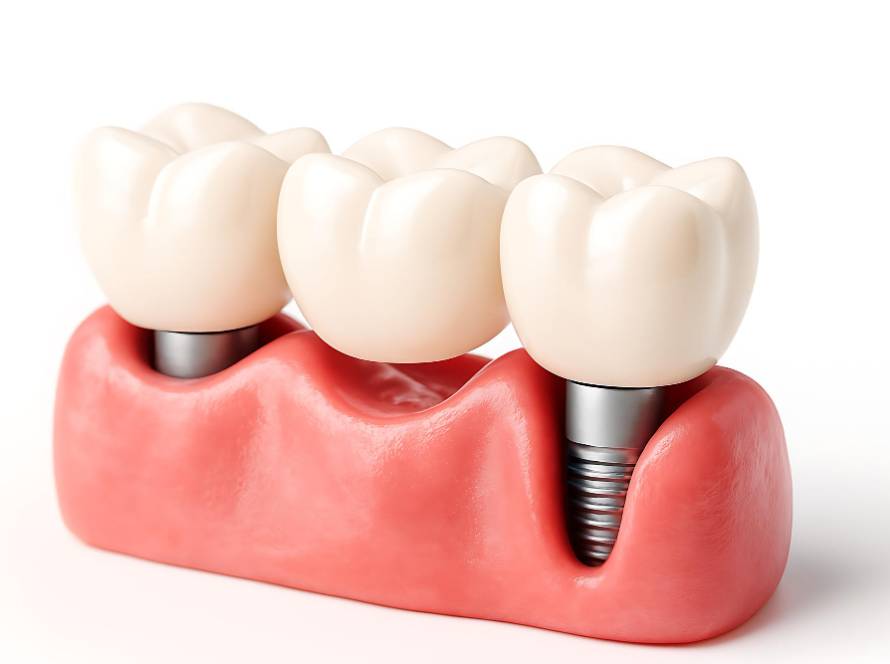
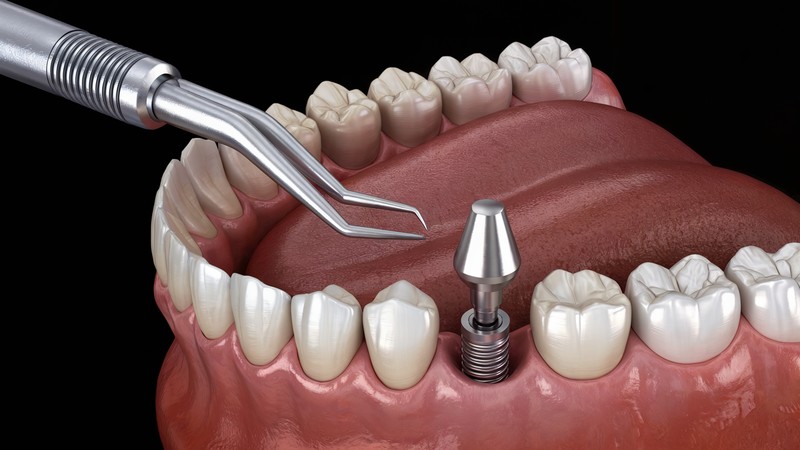
Dental implants are highly versatile because they can replace a single missing tooth, several missing teeth, or an entire arch depending on the patient’s situation. A single implant replaces one tooth without affecting neighboring teeth, while multiple implants can support bridges when several teeth are missing.
This flexibility allows treatment to be customized instead of using the same solution for every patient. Selecting the appropriate number of implants depends on oral health, bone structure, and long-term restorative goals.
Full-Arch Tooth Replacement
Patients missing all teeth in the upper or lower jaw may benefit from implant-supported full-arch restorations. Rather than replacing every tooth with an individual implant, strategically placed implants can support a complete arch of replacement teeth while creating excellent stability.
This approach improves chewing ability, speaking comfort, and overall confidence while reducing movement that may occur with traditional removable dentures. Personalized treatment planning determines whether full-arch implant therapy is an appropriate option.
Dental Implant Restorations
After implants have healed successfully, custom dental implant restorations are attached to complete the smile. These restorations may include crowns, bridges, or full-arch prosthetics depending on the number of missing teeth and the treatment plan developed during the consultation.
Each restoration is carefully designed to match surrounding teeth in color, shape, and size while restoring normal function. The combination of a stable implant foundation and a customized restoration creates results that look natural and allow patients to smile with greater confidence.
Which Implant Option is Right for You?
The ideal implant treatment depends on several factors including the number of missing teeth, bone density, gum health, and overall oral condition. No single implant option is appropriate for every patient, which is why comprehensive examinations and diagnostic imaging play such an important role before treatment begins.
We carefully evaluate every smile before recommending an implant solution because personalized planning leads to better long-term outcomes. Our goal is to restore comfort, function, and appearance while helping patients make informed decisions about replacing missing teeth.
Restore Your Smile With Personalized Implant Care
Replacing missing teeth starts with understanding your treatment options and choosing a plan that fits your needs. At Mountain Shadows Family Dental, we create personalized implant solutions designed around your smile goals. Contact us today to schedule a consultation and learn which implant option is right for you.
FAQs
What is the most common type of dental implant?
Endosteal implants are the most commonly used because they are placed directly into the jawbone for excellent stability.
Can dental implants replace several missing teeth?
Yes, implants can replace one tooth, multiple teeth, or support a full-arch restoration depending on individual needs.
How do dentists choose the right implant type?
The recommendation depends on bone health, the number of missing teeth, gum condition, and overall oral health.
Are dental implants designed to look natural?
Yes, custom restorations are created to match surrounding teeth for a natural-looking appearance and comfortable function.
How long do dental implants typically last?
With good oral hygiene and regular dental visits, dental implants can remain functional and attractive for many years.
Can everyone get dental implants?
Many adults are candidates for dental implants, but a dental evaluation is needed to assess bone health, gum condition, and overall oral health.